

As of 2025, the landscape of US online casino laws is increasingly dynamic, shaped by US Online Casino Laws by State in 2025, broader state-by-state casino legality, and a complex interplay of regulations. With the rise of updated online gambling regulations, individual states have taken the helm in establishing their frameworks, resulting in a patchwork of legal scenarios across the nation.
This section provides a comprehensive overview of the current online casino laws by state, highlighting how diverse state legislation impacts your gaming experience and what trends are emerging in both local and national US online casinos 2025. Understanding these developments is crucial as you navigate the evolving world of online casinos in the United States.
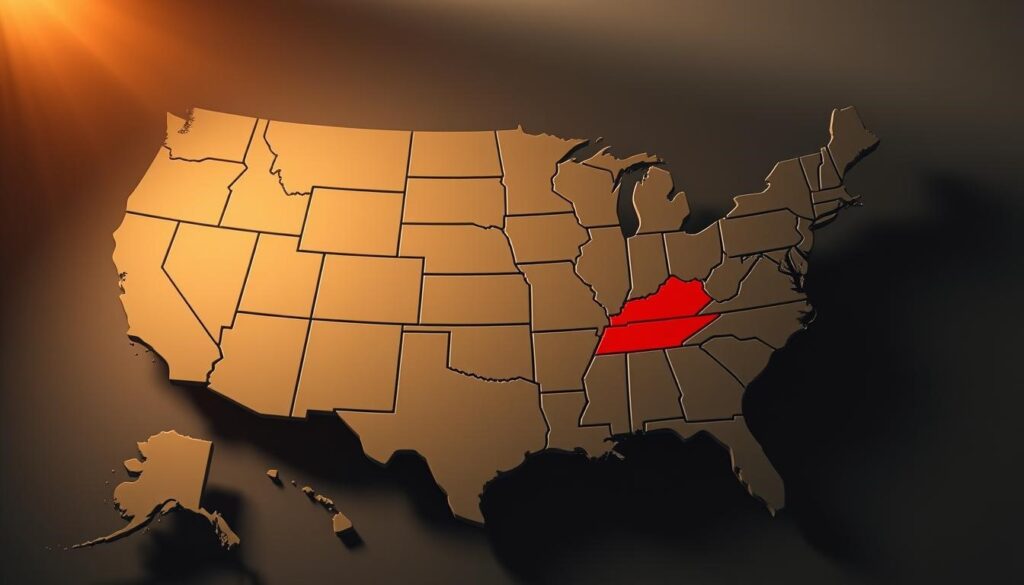
Understanding US Online Casino Regulations in 2025
The landscape of US online casino regulations presents a multifaceted panorama shaped by varied historical, cultural, and political influences across states. These differences arise from several factors, highlighting the importance of understanding both federal and state online gambling laws in the US. You may find that what is permissible in one region could be restricted or prohibited in another, reflecting the diverse stances found within online casino laws by state and how state-by-state casino legality continues to define modern US online casino laws. This variability becomes even more evident when examining US Online Casino Laws by State in 2025, where each state’s unique approach shapes the overall regulatory environment.
Why gambling laws differ across states
Each state has unique perspectives regarding gambling, which leads to discrepancies in legislation. Cultural attitudes towards gaming, the influence of local economies, and historical contexts all contribute to the variations in state gambling laws. For instance, states with a strong tradition of commercial gaming might be more inclined to embrace online casino operations compared to states where gambling is viewed with skepticism.
Federal laws vs. state-level authority
A significant aspect of understanding US gambling regulations involves the ongoing tension between federal regulations and state sovereignty. The landmark 2018 Supreme Court ruling, which allowed states to legalize sports betting, serves as a critical turning point in the discussion on federal vs. state authority. Following this ruling, many states have seized the opportunity to craft their own gambling frameworks, leading to a patchwork of laws that govern online casinos.
Key factors shaping online casino legality
Several factors affect online casinos and their regulatory environment, including lobbying efforts from various stakeholders such as Native American tribes and commercial enterprises. These entities exert influence on legislation concerning online gaming, advocating for favorable laws while respecting the unique concerns of each state. Understanding these factors can provide clarity on why certain states have embraced full legal frameworks for online casinos, while others continue to maintain strict limitations.
States Where Online Casinos Are Fully Legal
In certain states such as New Jersey, Pennsylvania, and Michigan, fully legal online casinos operate under strict frameworks defined by US online casino laws, providing a safe and transparent environment for players. These regulated US online casinos are overseen by state-level regulatory bodies that ensure full compliance with all applicable rules and protect player interests. Understanding the licensing requirements and what to expect from these state-regulated online gambling markets offers valuable insight into how online casino laws by state shape your overall gaming experience, especially when viewed through the lens of US Online Casino Laws by State in 2025, where each state’s regulatory approach continues to evolve.
Licensing rules and regulatory bodies
Each state with fully legal online casinos has established its own licensing requirements. Regulatory bodies are responsible for issuing licenses to operators, thereby ensuring that they meet specific criteria related to security and fairness. Companies must demonstrate financial stability, comply with technical standards, and implement responsible gambling measures to obtain licenses. These regulations protect players and promote a trustworthy gambling environment.
What players can expect from fully regulated markets
When engaging in a licensed gambling platform, players can expect robust player protections. These markets offer transparent terms and conditions, ensuring that you are aware of the rules governing your gaming experience. Furthermore, operators are mandated to provide support services, enabling players to address issues they may encounter. Enhanced security features such as encrypted transactions bolster player confidence, allowing for a worry-free gaming experience.
Benefits of legally licensed platforms
Choosing to play at fully legal online casinos has significant advantages. Licensed gambling platforms are committed to fair play, ensuring that games operate under certified random number generators. This commitment enhances trust and reliability, knowing your gameplay is not influenced by unfair practices. Access to player support, regular audits by regulatory bodies, and promotional offers contribute to a rewarding atmosphere for you as a player.
States With Partial or Limited Online Casino Laws
In various states across the U.S., you will find partial online casino laws that restrict the types and forms of online gambling permitted. Some regions allow only specific activitiessuch as sports bettingwhile continuing to ban traditional online casino gaming. These limited online gambling regulations create a narrower legal landscape, which often pushes players to explore alternative options. Understanding how online casino laws by state vary is essential, as US online casino laws and broader state-by-state casino legality directly influence what kinds of gambling experiences are available to you. This becomes even more evident when examining US Online Casino Laws by State in 2025, where differences between states highlight how fragmented the national online gambling framework remains.
States allowing only certain forms of online gambling
Several states have adopted a selective approach to online gambling. For example, Nevada and New Jersey offer robust options for online casino gaming. In contrast, states like North Dakota and Iowa permit only sports betting, leaving other forms of online gambling unregulated. This discrepancy often stems from local legislative preferences and the lobbying efforts of both gambling supporters and opponents.
Restrictions on operators and player eligibility
Online casino restrictions vary significantly depending on state legislation. States with partial online casino laws may impose limitations on who can operate within their borders. For example, only licensed operators may facilitate online sports betting, while others face strict eligibility criteria. These regulations can create barriers for players seeking access to a broader range of online gambling services.
Future legalization outlook
Looking ahead, the landscape of online gambling may change. Future legalization trends are emerging as community sentiment shifts toward expanding betting options. Several proposals have been introduced in various state legislatures aiming to break down existing barriers. This increasing push for wider access suggests that more states may consider the potential benefits of a regulated online casino market.
States Where Online Casinos Remain Illegal
Several states continue to prohibit online casinos, a situation often driven by gambling block reasons and a strong preference for traditional gambling models. The most common reasons include:
- Moral or religious opposition to any form of online gambling
- Pressure from advocacy or anti-gambling groups
- Concerns over problem gambling rates associated with digital platforms
- Political resistance from lawmakers who oppose expanding online betting
- Efforts to protect land-based casinos and local gambling economies
This resistance shapes the overall legal environment surrounding illegal online casinos and keeps US online casino laws highly restrictive in these regions. As a result, online casino laws by state vary sharply depending on local values and political influence. Many of these gambling block states continue to favor land-based gambling while viewing online platforms with skepticismhighlighting how state-by-state casino legality differs across the country. These contrasts become even clearer when examining US Online Casino Laws by State in 2025, where each state’s position reflects its cultural and political stance toward online gambling.
Why some states continue to block online casinos
The decision to block online casinos often stems from cultural and historical factors. Some states prioritize older forms of gambling, believing they provide a safer and more controlled environment for gaming activities. Concerns about protecting residents from the potential harms of online gambling play a significant role. Advocacy groups that argue against gambling frequently exert influence, citing issues such as addiction and financial exploitation.
Penalties and enforcement differences
In states that ban online gambling, enforcement penalties can vary widely. Some states impose hefty fines for illegal gambling activities, while others may focus on educational campaigns to inform residents about the risks associated with unregulated platforms. The consequences can be serious, with potential legal repercussions for those caught engaging with illegal online casinos.
Potential legislative changes to watch in 2025
As the political climate shifts, legislative changes 2025 may open doors to reevaluation and possible legalization of online casinos in previously resistant states. Certain lawmakers have started to reconsider their stance in light of the growing acceptance of online gambling and its potential revenue benefits. Watching these developments closely will be essential as you navigate the landscape of online gaming in the United States.
State-by-State Breakdown of Online Casino Laws (2025 Edition)
As of 2025, understanding the landscape of online casino legality in the United States requires a detailed examination of each state’s regulations. This section categorizes states based on their standing regarding state-by-state online casinos, helping you navigate your options effectively. When viewed through the lens of US Online Casino Laws by State in 2025, these distinctions become even more important, as each state’s unique rules determine where online casinos are fully legal, partially permitted, or completely restricted.
Full legality states (NJ, MI, PA, DE, WV, CT, NV)
In some jurisdictions, online casinos operate under comprehensive legal frameworks. States such as New Jersey, Michigan, Pennsylvania, Delaware, West Virginia, Connecticut, and Nevada have fully embraced legal online gambling. These legal states feature robust regulatory bodies ensuring player protection, fair gaming practices, and responsible gambling measures. Players in these states enjoy a vast array of games, including slots, table games, and live dealer options.
Gray-area or limited-legal states
Several other states may not provide full legalization but still accommodate certain online gambling activities. These gray-area states have partial regulations allowing limited forms of online gaming, often focusing on specific types of games like poker or fantasy sports. Understanding gray-area gambling laws is crucial, as these regulations may change, affecting what games you can play and the types of operators you can engage with.
Fully restricted states
Some states maintain strict prohibitions against all forms of online gambling. Known as restricted casino states, these areas present significant legal risks for players considering participation in online casinos. Engaging in online gambling in these locations can lead to legal repercussions, reinforcing the importance of being aware of your state’s regulations. Knowledge of the laws as they stand in 2025 helps ensure that you make informed decisions when it comes to online gaming.
How Online Casino Licensing Works in the US
Understanding the complexities of online casino licensing is essential for both operators and players. In the U.S., various states enforce specific operator requirements that determine who can legally run online casino platforms under state-regulated online gambling frameworks. Obtaining a license involves demonstrating financial stability, operational transparency, and the ability to comply with stringent US online casino laws. These strict standards ensure that approved operators are trustworthy, responsible, and fully prepared to meet all obligations set by online casino laws by state, especially as outlined in US Online Casino Laws by State in 2025, ultimately creating a safer environment for players.
Requirements for operators
Each state has its own set of operator requirements, which often include background checks, financial assessments, and adherence to responsible gaming practices. Licensing authorities evaluate whether operators adhere to specific criteria designed to maintain a secure gaming environment. Meeting these requirements not only legitimizes the operator but also enhances the overall safety of the gaming experience.
Player protection and compliance measures
Player protections are a key component of successful online casino operations. States require licensed operators to implement measures that safeguard players from gambling-related harm. This includes providing tools for self-exclusion, setting deposit limits, and ensuring a transparent complaint resolution process. These initiatives foster an environment where players can enjoy gaming responsibly and confidently.
Why licensing impacts game fairness and payouts
Online casino licensing plays a crucial role in ensuring game fairness. Licensed operators are required to adhere to strict protocols that govern how games are developed and audited. This oversight includes independent evaluations of the software used, ensuring that games are fair and results are random. Additionally, licensing affects how casinos manage payouts, aligning their practices with industry standards and giving players peace of mind regarding the integrity of the games.
Taxation Rules for Players and Operators
Understanding the tax implications surrounding online casino taxation is essential for both players and operators. In the U.S., the landscape of gambling winnings reporting varies significantly between state and federal levels, influencing how players manage their winnings and how operators meet their online casino taxes and filing responsibilities. Because US online casino laws and online casino laws by state differ widely, familiarity with these rules is crucial for staying compliant and avoiding unforeseen penalties. These differences are clearly outlined in US Online Casino Laws by State in 2025, which help explain how tax obligations shift depending on each state’s regulatory framework.
How winnings are taxed at state and federal levels
When you win at an online casino, both state and federal taxes may apply to your gambling winnings. Federal tax rates can reach up to 24% depending on the total amount you win. States may impose their own taxes on winnings, which can vary widely. Understanding your specific state’s player and operator tax rules is crucial. For example, some states tax winnings as regular income, while others have a flat rate for gambling income.
Operator tax obligations
Online casinos must comply with stringent tax regulations, including reporting requirements to both state and federal agencies. Operators are responsible for withholding a portion of your winnings for tax purposes, especially if they exceed certain thresholds. This obligation emphasizes the importance of maintaining transparent financial practices within the online gambling industry as operators navigate complex tax rules.
Reporting requirements for players in 2025
In 2025, players are required to report their gambling winnings accurately. The IRS mandates that any winnings over $600 must be reported, and you should maintain records of your wins and losses for a complete picture of your gambling activity. Engaging in proper gambling winnings reporting will help ensure compliance with tax regulations, reducing the risk of penalties for unreported income.
Trends Shaping Online Casino Legislation in 2025
Understanding the tax implications surrounding online casino taxation is essential for both players and operators. In the U.S., the landscape of gambling winnings reporting varies significantly between state and federal levels, influencing how players manage their winnings and how operators meet their online casino tax rules and filing responsibilities. Because US online casino laws and online casino laws by state differ widely across the country, familiarity with these regulations is crucial for staying compliant. These variations in state-by-state casino legality make it even more important to understand which tax obligations apply in your specific region to avoid unforeseen penalties, especially when viewed through the framework outlined in US Online Casino Laws by State in 2025.
Influence of sports betting expansion
The sports betting impact on online casino regulations cannot be understated. As states relax restrictions on sports wagering, it opens the door for discussions about legalizing more expansive online gambling options. This trend fuels discussions among lawmakers about combining both sports betting and online casino operations under unified regulations, ultimately benefiting players through enhanced gaming options.
Technological changes impacting regulation
Technology regulations will play a crucial role in shaping the future of online casinos. Innovations such as blockchain and artificial intelligence offer new ways to secure transactions and enhance user experiences. Integrating these technologies can improve compliance and monitoring efforts, making it easier for regulatory bodies to ensure fairness and transparency in online gaming. Staying abreast of these advancements is essential for understanding the current and future landscape of online casino legislation.
Predictions for new states legalizing soon
Future legalization predictions suggest that several states may be on the brink of permitting online casinos. Trends indicate that political climates favorable to gambling expansion can be harnessed effectively. States with existing frameworks for regulated sports betting are often viewed as prime candidates for future online casino legislation, highlighting the interconnected nature of gambling laws in the United States.
How US Players Can Stay Compliant and Safe
For anyone venturing into the world of online casinos, understanding the landscape of online Casino compliance is crucial. To ensure you enjoy a safe gaming experience, you should start by verifying casino legality in your state, especially because US online casino laws and online casino laws by state differ widely. This step is essential for protecting your funds and personal information while ensuring that the platform adheres to your local online gambling laws in the US.
When verifying a casino’s legal status, consult your state’s gaming commission or relevant regulatory body. These organizations maintain official lists of licensed online casinos, giving you confidence that you’re using a trustworthy and fully regulated US online casino. If you discover a platform operating without proper authorization, consider that a warning signunlicensed casinos often fall outside state-by-state casino legality and can put you at risk of fraud or losing your funds.
Understanding your rights as an online gambler is another vital part of staying compliant and safe. You have the right to fair play, secure handling of your personal data, transparent payout information, and access to official support channels. Familiarizing yourself with these rightsand knowing how to file complaints or seek helpensures that you enjoy a lawful and protected gaming experience within the framework of US online casino laws.
Final Thoughts: The Future of US Online Casino Laws
The landscape of online casino regulations is rapidly evolving, and by the end of 2025, you can expect significant regulatory shifts that will influence the future of online casino laws across the United States. As states continue to re-evaluate their gambling frameworks in light of emerging trends, we may see increased movements toward legalization, particularly in states that have been historically resistant. Factors such as public opinion, economic potential, and the desire for improved consumer protections will likely drive these changes. These developments are closely connected to the patterns outlined in US Online Casino Laws by State in 2025, which highlight how each state’s stance may evolve as the regulatory environment continues to change.
Expected regulatory shifts by the end of 2025
The anticipated regulatory shifts for 2025 focus on enhancing player protection and compliance mechanisms in the gambling industry. As more players engage in online gaming, regulators will prioritize creating a safe environment through stricter oversight on operators as well as clearer guidelines for players. You should prepare for new compliance measures that aim to safeguard your interests while promoting fair play.
How players and operators can prepare
To navigate the evolving landscape effectively, both players and operators must stay informed about the latest developments in US online casino laws and broader online gambling regulations. Operators should implement robust online casino compliance strategies and actively engage with regulatory bodies to ensure adherence to new rules as online casino laws by state continue to change.
For players, understanding your rights and responsibilities is essential for a seamless and safe online gaming experience, especially as state-by-state casino legality shapes what is allowed in each region. By remaining proactive and informed, you can better adapt to the ongoing regulatory shifts in 2025 and beyondensuring safety, transparency, and full enjoyment within the evolving world outlined in US Online Casino Laws by State in 2025, where regulated US online casinos continue to expand and develop.
FAQ
What are the current online casino laws in the U.S. as of 2025?
As of 2025, online casino laws vary widely across the United States, with many states implementing their own regulations. States like New Jersey, Pennsylvania, and Michigan have fully legalized online casinos, while others may allow limited forms or completely prohibit them.
Why do gambling laws differ from state to state?
Gambling laws differ due to various factors, including historical perspectives, cultural attitudes towards gambling, and lobbying efforts from different interest groups, such as Native American tribes and commercial operators.
What are the requirements for obtaining a license for online casinos?
To obtain a license for online casinos, operators must demonstrate financial stability, compliance with state regulations, and adherence to responsible gambling practices, which vary by state.
What protections do players have when using licensed online casinos?
Players using licensed online casinos benefit from consumer protections, responsible gambling measures, enhanced security features, and access to player support services, ensuring fair play and a safe gaming environment.
How are winnings taxed when playing at online casinos?
Winnings from online casinos are subject to both state and federal tax rates, which can differ significantly. Players are required to report their winnings in compliance with IRS rules, while operators have specific obligations to report taxes as well.